Process
One shot, from idea to screen.
Seven steps, then the making of a shot from episode 7. At each step, a real piece from the project: episode 3 of the series, Mamekan in Asakusa, 33 shots, 1 min 20. We follow the sweet-shop scene, from the entrance to the order, from the breakdown to the edit.
From pencil to screen
Every shot is decided before it is generated.
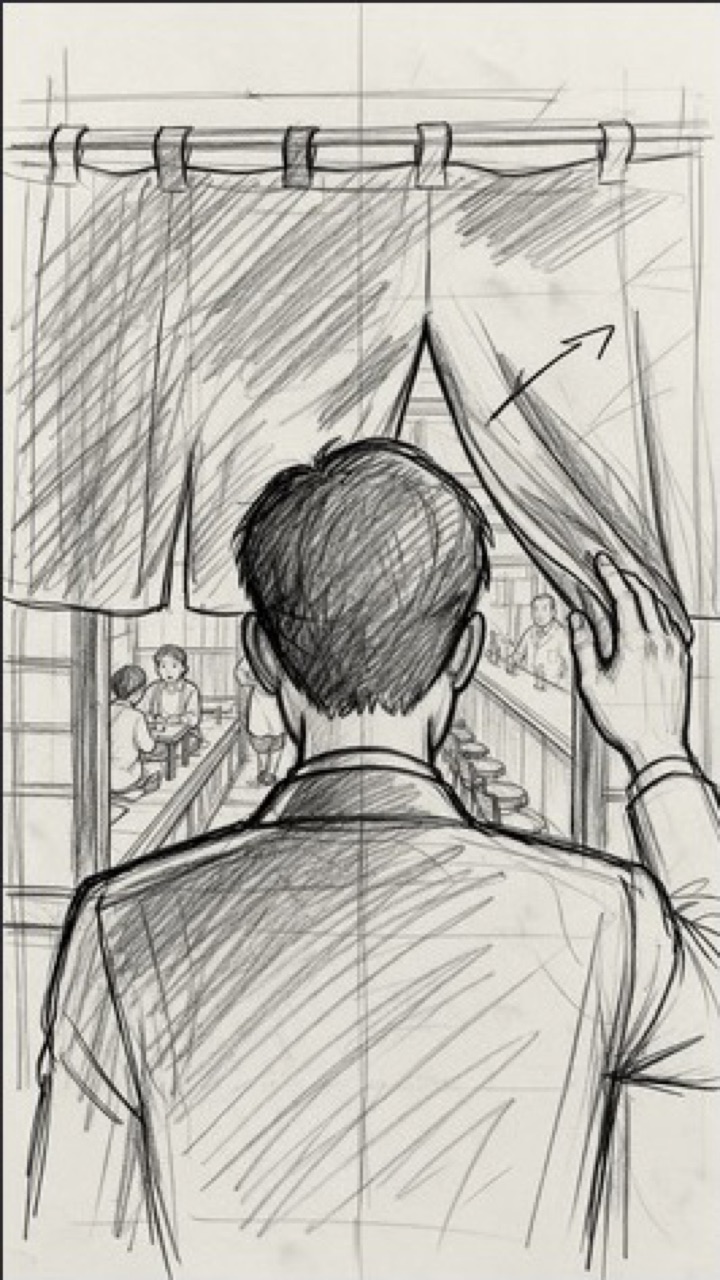
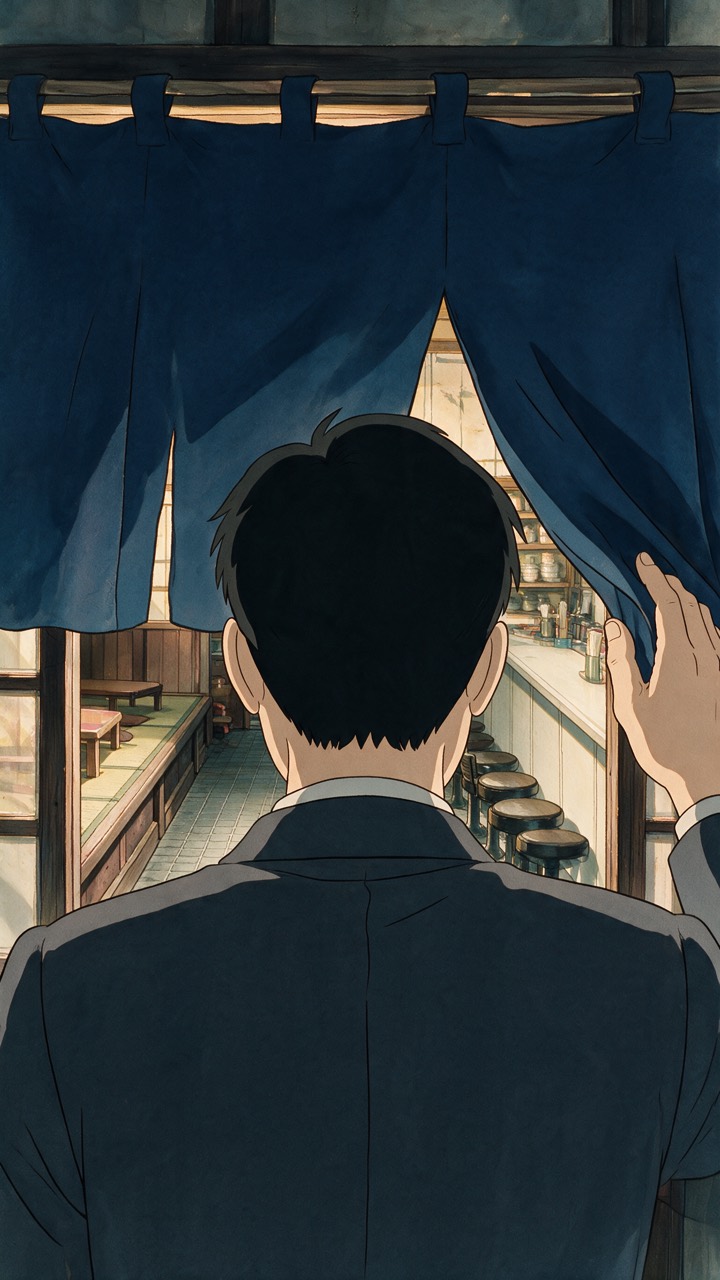
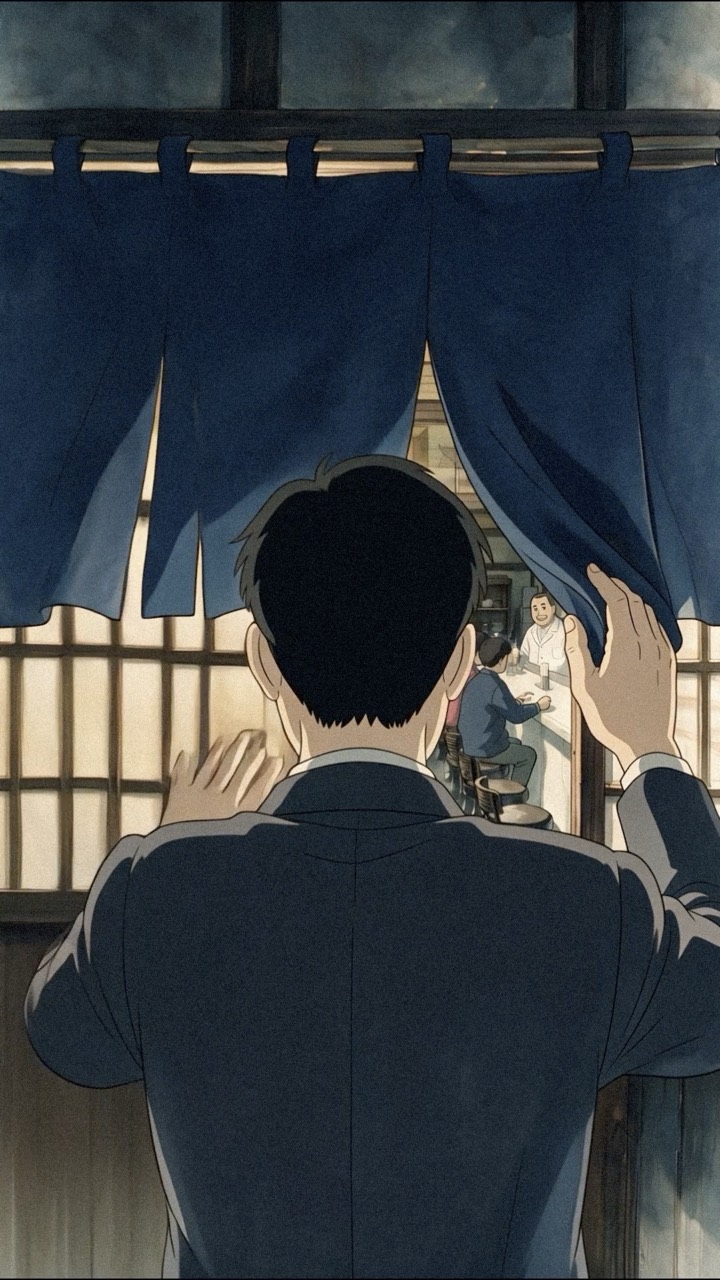
The same shot at three moments: the storyboard panel, the approved key frame, then the frame from the film. Nothing is generated before framing, shot size and gesture are settled on paper.
01 Storyboard
02 Key frame
03 Film
01
The script
Everything starts with a written breakdown: every shot with its number, its length and what it shows. Thirty-three lines for this episode. It is the reference for every step that follows, and the document a client approves before a single image exists.
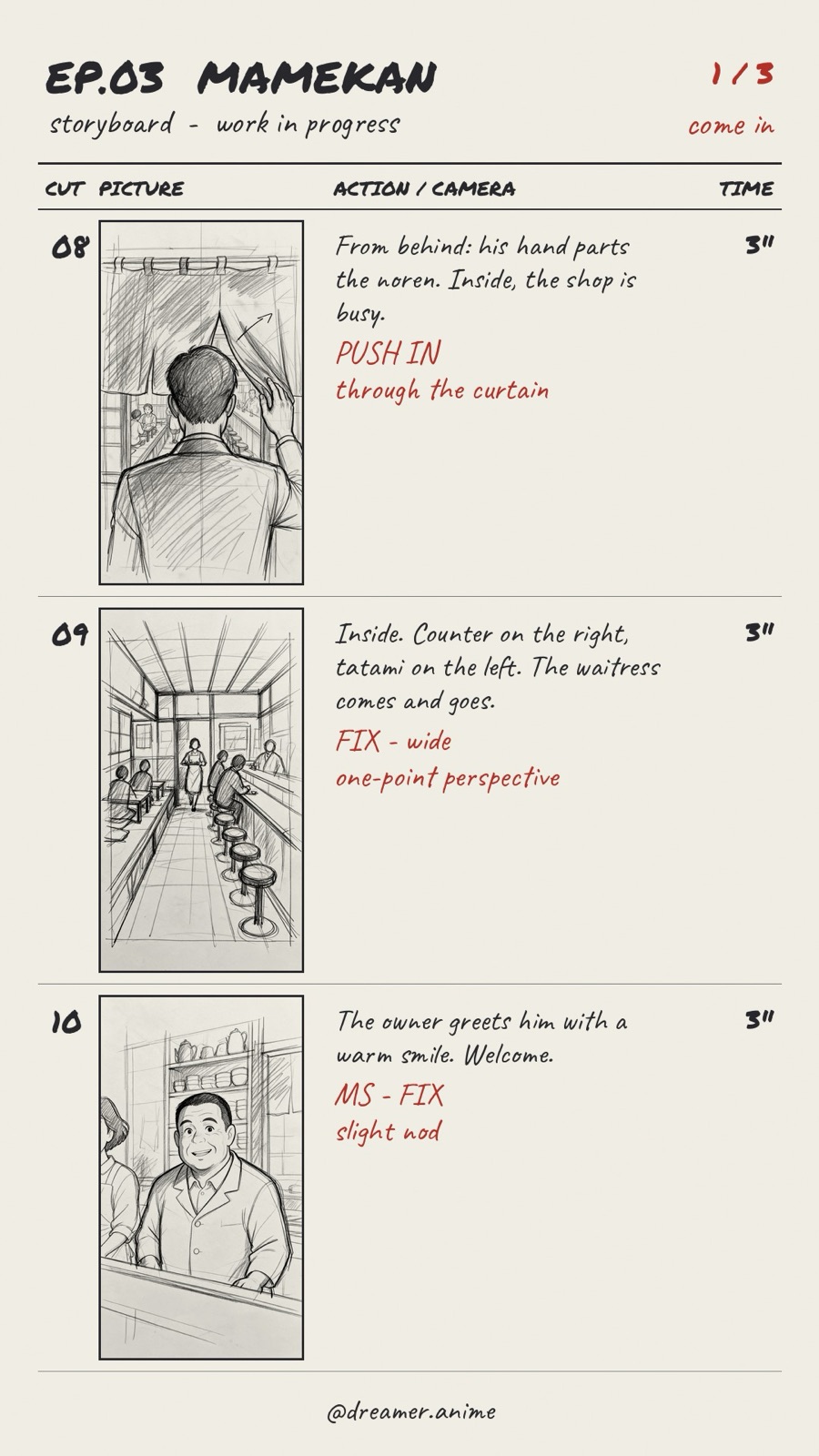
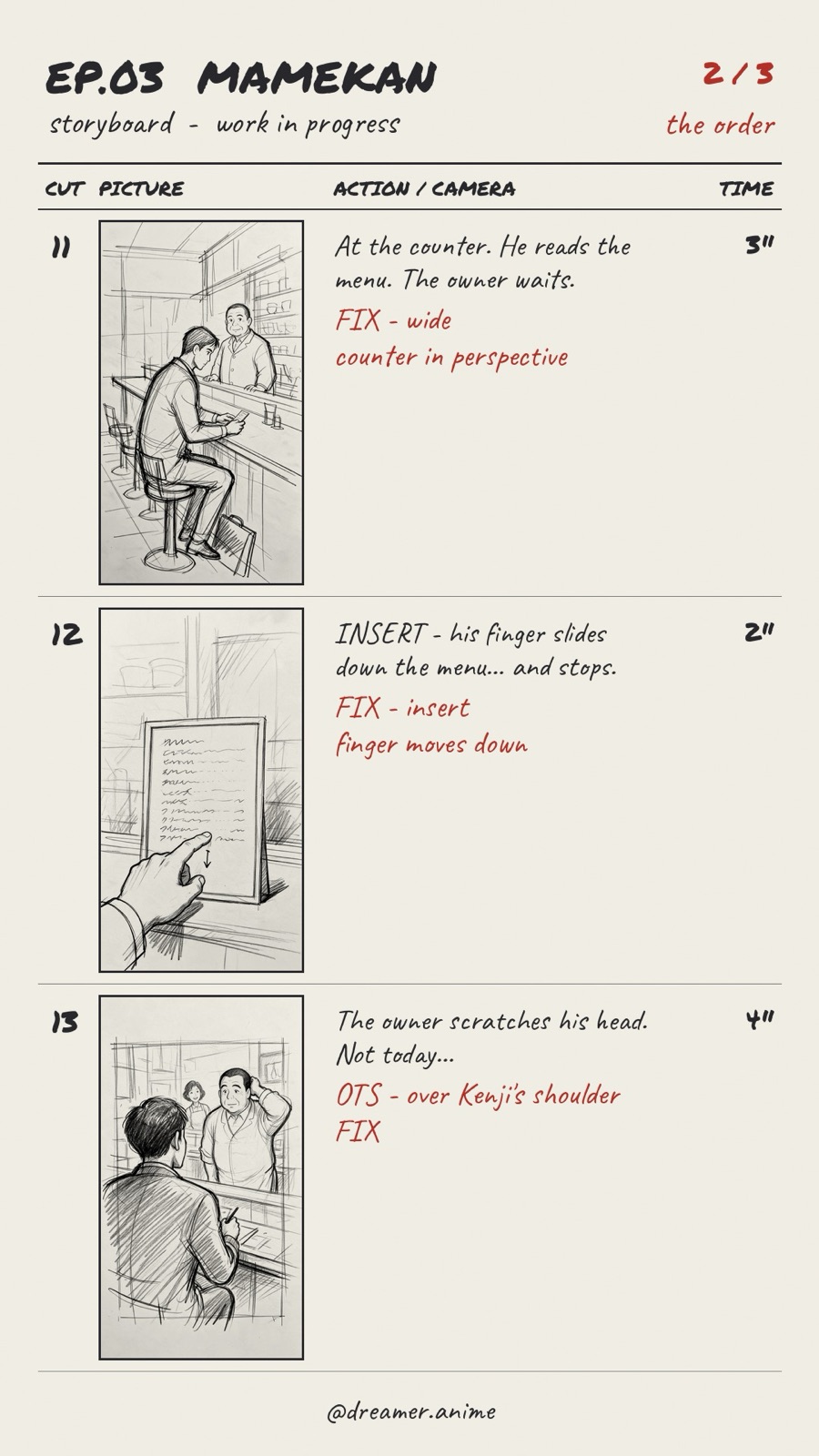
08 3 s From behind, he parts the noren. Inside, the shop is busy. 09 3 s Inside, wide shot: counter on the right, tatami on the left. 10 3 s The owner greets him behind the counter. 12 2 s Insert: his finger slides down the menu, and stops. 02
The sheets
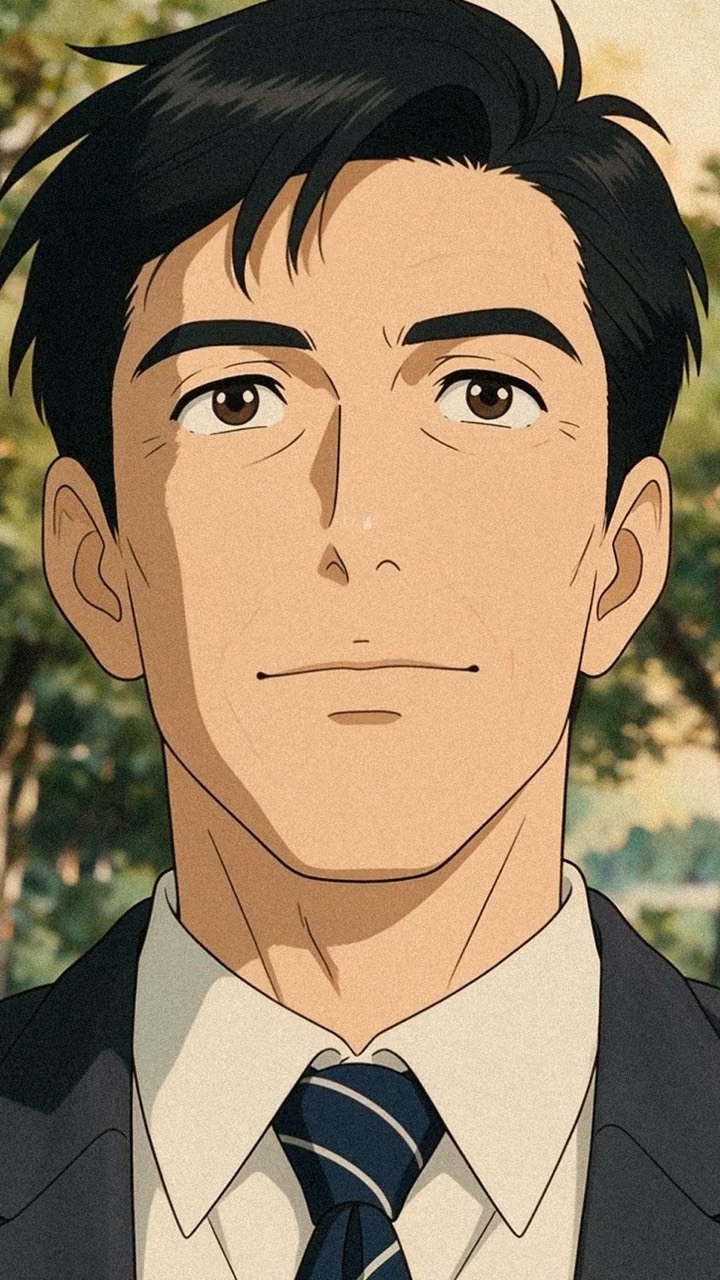
Before any scene is generated, every character and every set has a sheet: a face fixed once and for all, a place seen from several angles. That is what keeps Kenji looking like Kenji from shot to shot, and keeps the sweet shop from changing its counter.
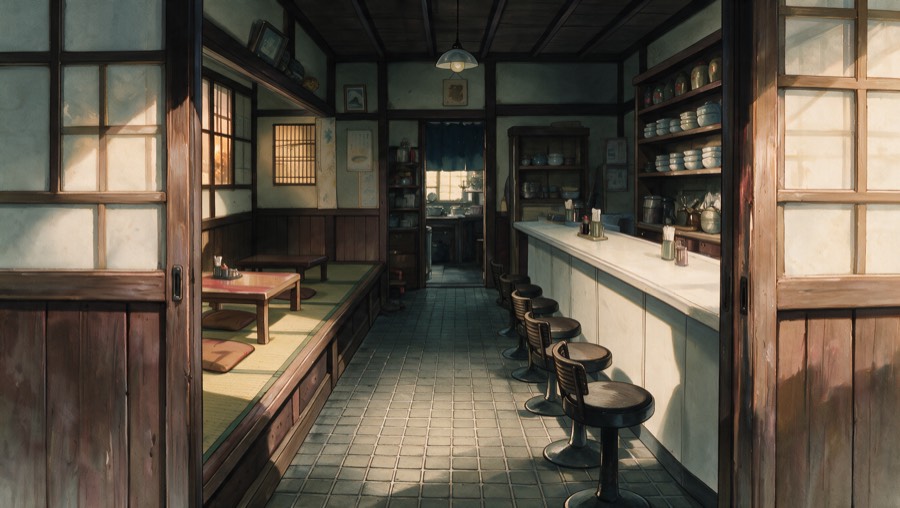
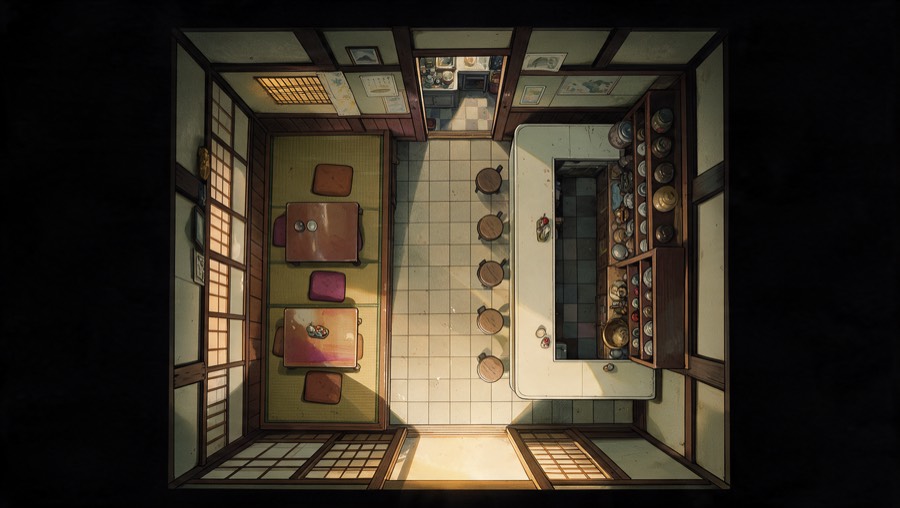
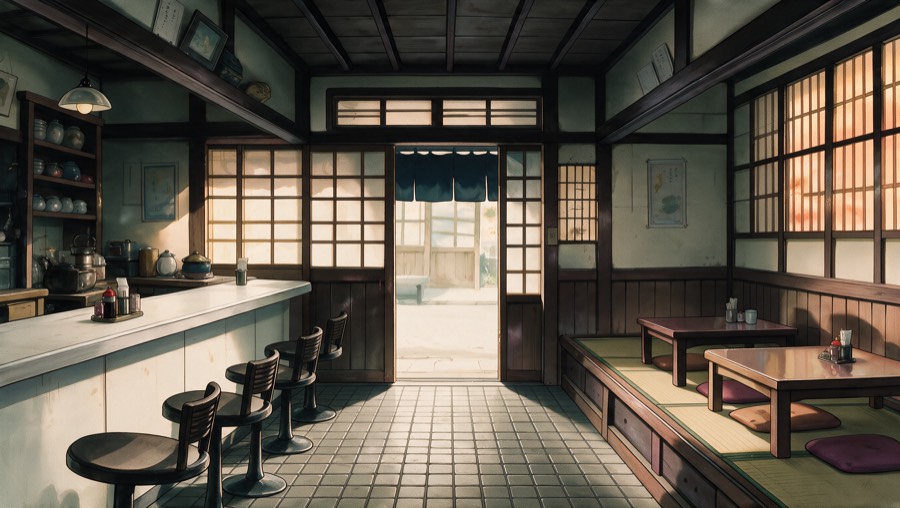
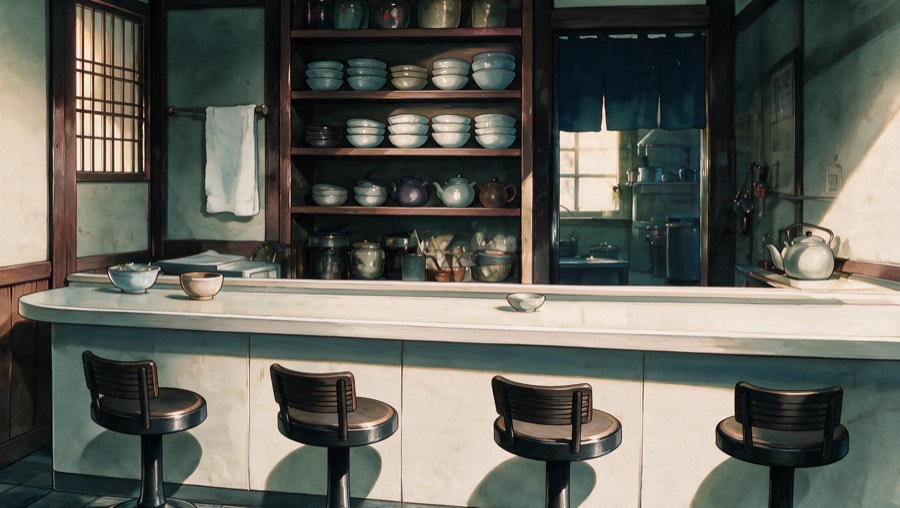
The sweet shop, four views 03
The storyboard
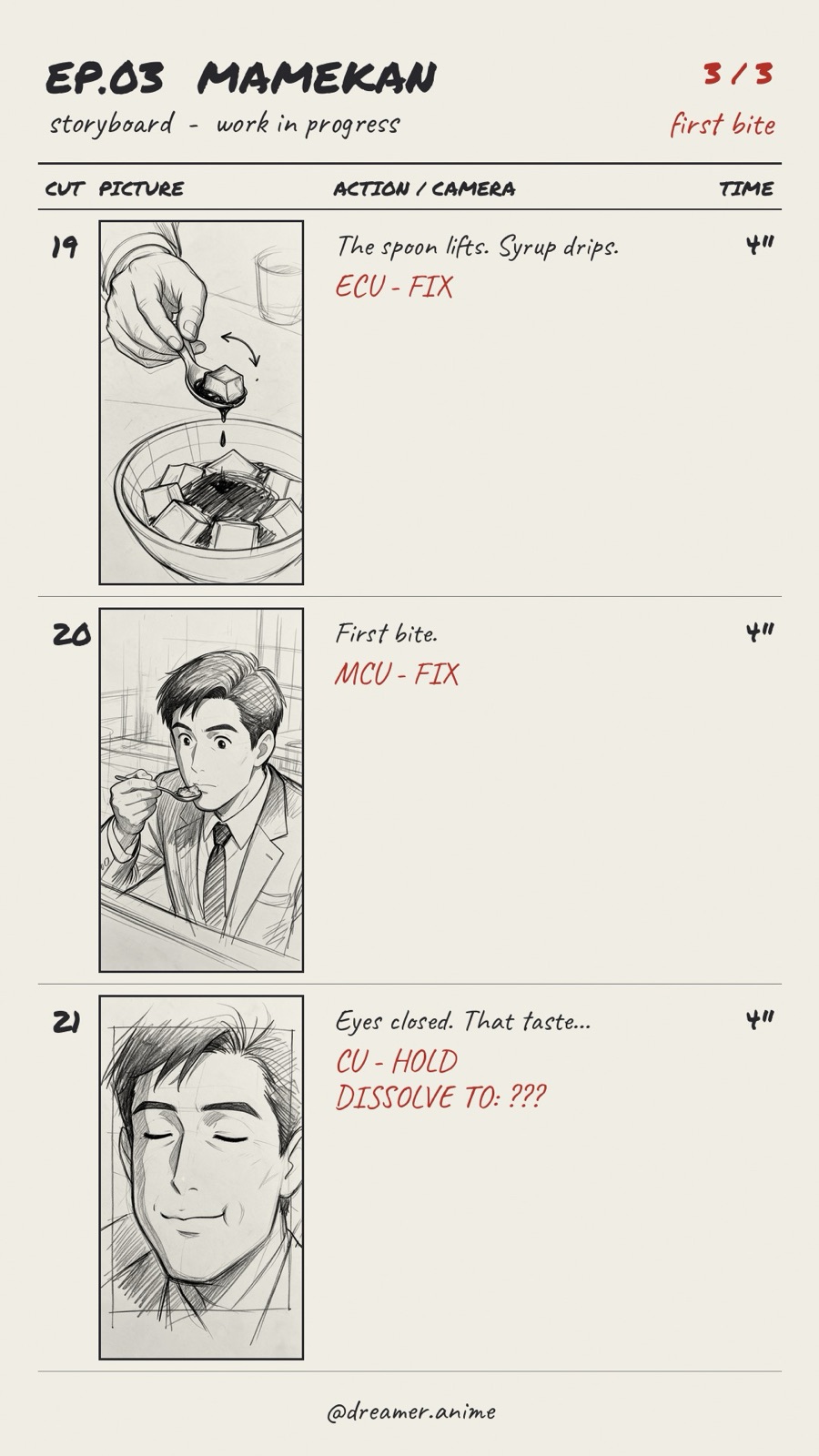
The breakdown becomes sketches: for each shot, the framing, the shot size, the action, the camera move and the length. A quick sketch is enough, as long as it says what happens on screen. Three boards for the sweet-shop scene: coming in, the order, the first bite.
04
The key frames
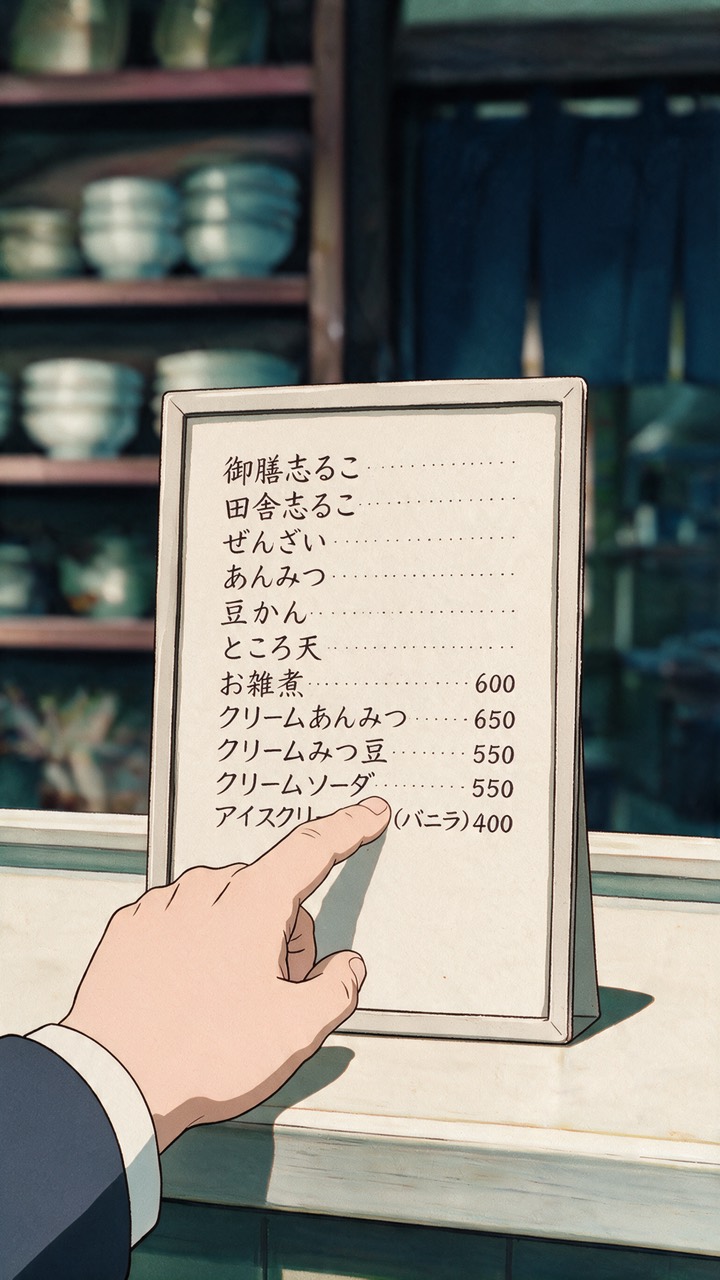
One image per shot, in colour and in the final style. This is where the iterating happens, not later: fixing an image costs fourteen times less than fixing a video. Shot 12: the first version follows the sketch to the letter, the menu standing on the counter. In the version kept, Kenji holds the menu, seen from behind: we see him read, and the shot cuts cleanly into the next one, over his shoulder.
Version 1 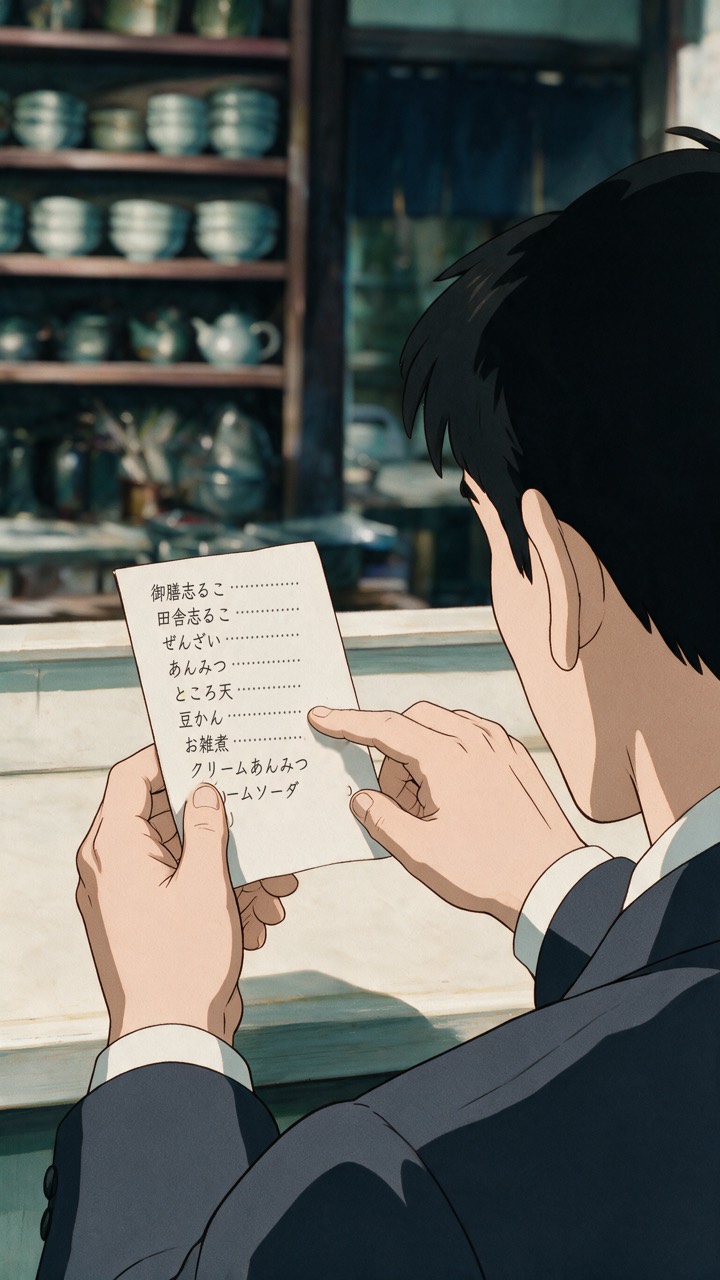
Version 2Kept 05
The animatic
The key frames laid end to end, at the lengths of the breakdown, with the music. We watch the film before it exists: the rhythm is approved here, and video is only launched once the animatic is signed off.
The sweet-shop scene in the animatic, twelve seconds, without sound 06
The video
Each key frame becomes the starting point of its shot: the video model sets it in motion according to the action written on the storyboard. Shot 12, as generated: the finger slides down the menu and stops.
Shot 12, generated, without sound 07
Editing and sound
The shots are cut to the planned lengths, with a light grain to unify the image. The sound is built separately: for this episode, three music cues, seven ambiences and twenty-one sound effects, then a level normalised for social platforms. Shots 12 and 13, as they are in the film.
Shots 12 and 13, edited, with sound Watch the full episode
Making of · Episode 7
One shot, from 3D set to screen.
Seven seconds from episode 7, in Kyoto, told in two and a half minutes. The place is first designed as a whole, then rebuilt at real scale as a 3D model. The camera is found there in six tests, before anything is generated, and the characters are placed as blocks of colour. The animation then follows the same move, frame for frame.
- 01 The place
- 02 The characters
- 03 The set, in 3D
- 04 The camera
- 05 The blocks
- 06 The shot
What's next
Let's talk about your project.
A brief, even a short one, is enough to start. I reply within 48 hours.